The scale of what's at stake: according to IQVIA's cold chain research, cold-chain medicines represented 32% of pharmaceutical market value in 2021—a $384 billion segment of a $1.2 trillion global market. With that much product moving through temperature-controlled logistics, even small failure rates translate to enormous losses.
This guide covers why temperature loss happens during pharma transit, what the consequences look like when it goes unaddressed, and the layered prevention measures that protect both product integrity and patient safety.
Key Takeaways
- Temperature excursions are the leading cause of pharmaceutical product loss in cold chain shipping
- Most failures involve multiple compounding factors — rarely just one point of breakdown
- Real-time monitoring catches excursions in minutes—not at delivery
- Validated packaging, pre-trip protocols, and carrier qualification each serve as a distinct prevention layer
- Sustained control depends on consistent documentation and regular carrier performance reviews
Common Causes of Temperature Loss in Pharma Cold Chain Shipping
Temperature loss during pharmaceutical transit rarely traces back to one isolated failure. What typically happens is a chain of smaller vulnerabilities—equipment issues, operational gaps, and human errors—that compound across the shipment journey until they produce an excursion.
Equipment Failures and Refrigeration Malfunctions
Mechanical failures are among the most dangerous cold chain risks because they can produce rapid temperature spikes with no visible warning. A malfunctioning reefer unit, a faulty sensor, or an unexpected power interruption can push product outside its required range within minutes.
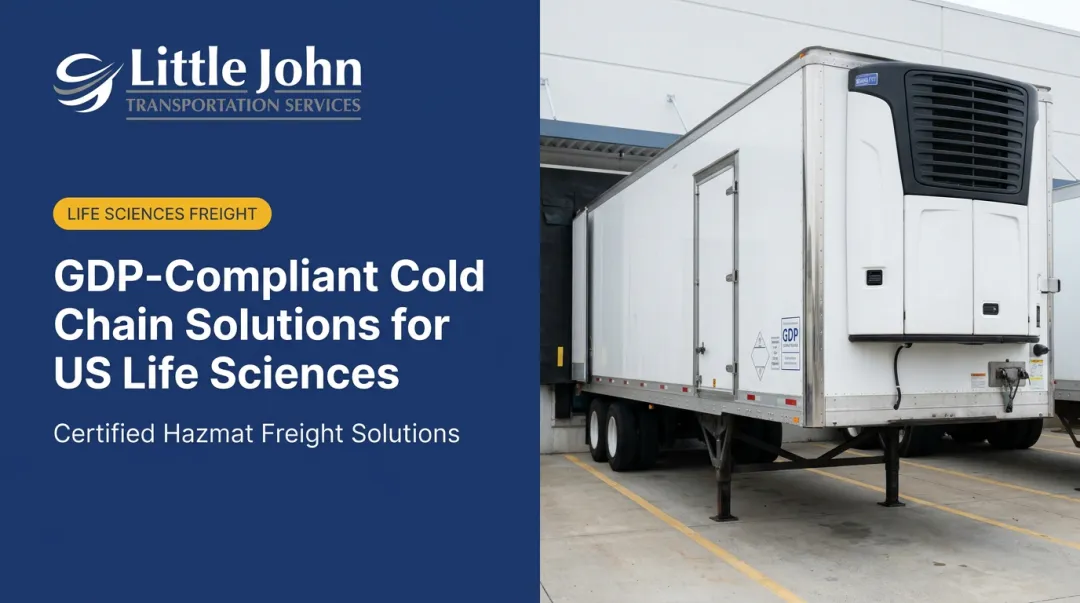
WHO Supplement 12 on road transport operations requires refrigerated vehicles to carry alarm systems that alert the driver to excursions or refrigeration failures, and that cooling units remain active during stops and rest periods. The risk peaks overnight or during long-haul legs when no one is actively watching the unit.
Transit Delays and Loading Dock Exposure
Unplanned delays—customs holds, border crossing wait times, traffic—extend how long products spend in uncontrolled environments. Loading docks are particularly vulnerable: doors opening, ambient temperatures infiltrating the cargo area, and transfer times that stretch beyond plan.
WHO guidelines specify that loading bays must protect products from direct sunlight, rain, and wind, and that transfer areas should be maintained within the products' specified temperature range. For U.S.–Mexico shipments, the combination of inspection delays and the ambient temperature environment along Texas and northern Mexico corridors makes this risk especially acute.
Inadequate Packaging and Pre-Shipment Preparation
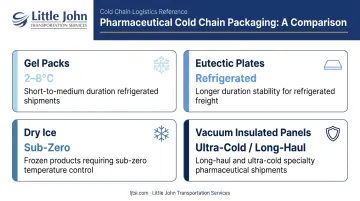
Under-specified packaging creates an inherent thermal deficit before the shipment even departs. Common packaging materials in pharma cold chain include:
- Gel packs — for refrigerated (2–8°C) short-to-medium duration shipments
- Eutectic plates — for temperature stability over longer durations
- Dry ice — for frozen products requiring sub-zero temperatures
- Vacuum insulated panels (VIPs) — for long-haul or ultra-cold requirements
Material selection must match the product's specific temperature range and the worst-case transit duration. A container that wasn't pre-conditioned before loading starts the journey already behind on thermal protection, and that deficit often isn't recovered before delivery.
Insufficient Driver Training and Handoff Gaps
Drivers who aren't trained on pharmaceutical protocols can break the cold chain without realizing it: leaving cargo doors open during stops, failing to verify reefer settings, or skipping pre-trip temperature checks.
This problem compounds at multi-party handoffs. EU GDP guidelines specifically require that excursions or damage be reported to both the distributor and recipient, and that outsourced transport be governed by documented contract controls. In practice, the transition between carriers, 3PLs, and distribution centers is where temperature monitoring continuity breaks down most often, particularly in multi-modal or international shipments.
What Happens When Temperature Loss Goes Unaddressed
Undetected excursions don't stay contained — they spread through the distribution chain before anyone realizes what happened.
In 2021, Sandoz issued a nationwide recall of one lot of enoxaparin sodium injection after part of that lot experienced a temperature excursion during shipment. The FDA noted potential loss of effectiveness — a serious risk for an anticoagulant, where compromised product could expose patients to blood clots, stroke, or death. The product had already been distributed to wholesalers and retailers nationwide.
That sequence — transit excursion, nationwide distribution, recalled product, patient exposure — is the worst-case trajectory of a cold chain failure. The fallout typically includes:
- Product write-offs and inventory loss
- Regulatory penalties under FDA 21 CFR Part 211, EU GDP, and WHO Annex 9 frameworks
- Patient safety incidents from compromised drugs reaching end users
- Brand damage and loss of customer confidence
- Cost of investigation, documentation, and regulatory response
Warning Signs You're About to Experience Temperature Loss
Knowing what a failure costs makes early detection worth the effort. These indicators signal an excursion is imminent or already in progress:
- Reefer unit alarms or unusual temperature fluctuation alerts mid-transit
- Dwell times at docks or border crossings running beyond the planned window
- Unexpected route changes without proactive carrier communication
- Absence of real-time shipment visibility during any leg of the journey
How to Prevent Temperature Loss During Pharma Shipping
No single measure is sufficient. Cold chain protection requires aligned protocols across equipment, packaging, personnel, and carrier selection—applied before and during every shipment.
Real-Time Temperature Monitoring and Data Logging
Calibrated IoT temperature sensors or data loggers placed inside shipment containers continuously record conditions and trigger alerts on excursion. The difference shows up at the moment of excursion: teams catch the problem within minutes rather than at delivery, so they can act immediately—rerouting, replacing coolant, contacting the carrier.
WHO Annex 9 requires transport temperature records to be made at least six times per hour, with monitoring sensors accurate to ±0.5°C, calibrated against a traceable reference annually. Every pharmaceutical shipment should include logged data retained specifically for regulatory audit trails.
Validated Packaging Selection
Packaging must be validated for the specific product temperature range, anticipated transit time, and worst-case ambient conditions on the route. Selection is route-specific, not generic.
Key qualification requirements include:
- ISTA Standard 20 defines the formal design and qualification process for insulated shipping containers
- WHO guidelines require packaging systems to be qualified before use, with performance qualification addressing actual distribution conditions
- Pre-conditioning containers before loading ensures the thermal buffer is functional when the shipment departs
Pre-Trip Inspection and Pre-Cooling Protocols
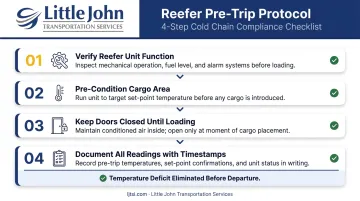
The most common mechanical failure point is also the most preventable: loading into an improperly cooled or malfunctioning unit. WHO road guidance specifies that before loading:
- Verify reefer unit function and confirm the service record is current
- Pre-condition the cargo area to the required transport temperature before loading begins
- Keep doors closed until loading starts, then load without delay
- Document all readings with timestamps before departure
This pre-trip discipline eliminates the temperature deficit before the shipment leaves the facility.
Contingency Planning for Delays and Route Changes
Border delays, weather disruptions, mechanical breakdowns—each needs a defined response protocol that maintains temperature control. A contingency plan should include:
- Pre-identified backup cooling options at key transit points
- Alternative routes with confirmed cold chain infrastructure
- Defined carrier escalation contacts for immediate response
- Clear thresholds for when to reroute versus continue
Carriers who can't execute against a contingency plan when a border crossing backs up for six hours aren't cold chain partners—they're a liability.
Choosing the Right Carrier for Pharmaceutical Cold Chain
The carrier is the single most controllable variable in pharmaceutical cold chain shipping. Vetting carriers on cold chain qualifications before a shipment moves is one of the most effective prevention measures available.
What to Require from a Qualified Pharma Cold Chain Carrier
| Credential | What It Addresses |
|---|---|
| ISO 9001:2015 | Audited quality management system with documented processes |
| FMCSA Satisfactory Rating | Safety management controls (held by ~6% of carriers) |
| CTPAT Validated | Supply chain security for cross-border shipments |
| GDP-Compliant Equipment | Pharmaceutical distribution standards from pickup to delivery |
| 24/7 Dispatch & Tracking | Real-time visibility and response capability |
| Bilingual Operations | Communication continuity for U.S.–Mexico routes |
For cross-border pharmaceutical shipments, carrier expertise at the actual crossing is decisive. Little John Transportation Services operates a 50-acre CTPAT-compliant facility in Laredo with a 30-bay cross-dock, 24/7 monitoring, and bilingual teams positioned on both sides of the U.S.–Mexico border. Their cold chain program includes 2,400+ thermally mapped reefer trailers, GDP-compliant documentation, pre-cool confirmation at pickup, and live exception alerts to dispatch.
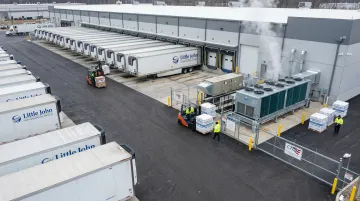
CTPAT validation matters specifically at the border: it qualifies shipments for expedited CBP lane access, compressing the dwell time window where a reefer trailer sits in ambient conditions during inspection. In-house bilingual customs brokerage handles documentation on the same team managing the physical cargo — eliminating the handoff where documentation delays most often occur.
Carrier Accountability Metrics to Require
Credentials establish a baseline. Ongoing performance data tells you whether a carrier is actually executing against those standards — especially across seasons and high-volume lanes.
Require carriers to provide:
- On-time delivery rates by lane and season
- Claim-free delivery rate and claim resolution history
- Documentation completeness on past pharmaceutical shipments
- Evidence of active driver training programs for temperature-sensitive freight
Tips for Long-Term Prevention and Control
Preventing temperature loss is a continuous operational discipline, not something you revisit only after an excursion occurs. These practices form the backbone of a sustainable cold chain program:
- Conduct quarterly carrier performance reviews against cold chain KPIs: excursion rate, on-time delivery, and documentation completeness
- Require documented driver training on pharmaceutical cold chain protocols from all contracted carriers, with recertification on a defined schedule
- Maintain complete chain-of-custody records for every shipment, including loading temperature, in-transit readings, handoff confirmations, and delivery sign-off, to support regulatory audits and incident investigations
- Use route risk scoring to flag high-risk lanes (extreme climate corridors, high-delay border crossings) before shipment planning is finalized
- Audit packaging performance periodically against actual route conditions, updating specifications when lanes or seasonal patterns change
Carriers who treat these steps as standard operating procedure — not reactive measures — are the ones who consistently maintain product integrity across long hauls and complex cross-border routes.
Conclusion
Temperature loss in pharma cold chain shipping has identifiable, preventable causes. Equipment failures, packaging gaps, undertrained drivers, and multi-party handoff breakdowns are all addressable with the right protocols in place—before the shipment departs.
The cost of prevention is a fraction of the cost of a single recall event. A disciplined, layered cold chain strategy covers real-time monitoring, validated packaging, and rigorous pre-trip protocols. Pair those with a carrier that treats compliance as a minimum—not a goal—and the chain holds from pickup to delivery.
Frequently Asked Questions
What temperature range is required for pharmaceutical cold chain shipping?
The required range varies by product. USP defines refrigerated storage as 2–8°C, frozen as -25 to -10°C (with -20°C a common set point within that range), and ultra-cold products like certain vaccines may require -90 to -60°C. Confirm the validated range with the manufacturer before selecting packaging and carrier equipment.
What regulations govern pharmaceutical cold chain transportation?
Key frameworks include FDA 21 CFR Part 211 (warehousing and distribution procedures), EU Good Distribution Practice (Chapter 9 covers transport requirements), and WHO Annex 9 with Supplement 12 for road operations. Carriers must maintain documentation demonstrating compliance at every stage of transport.
How do I know if a temperature excursion occurred during shipment?
Real-time data loggers and IoT sensors provide in-transit alerts and post-delivery reports showing the complete temperature history. Without active monitoring, excursions typically go undetected until product inspection or patient complaints, often after the product has already moved downstream.
What packaging materials are best for pharmaceutical cold chain shipping?
Selection depends on temperature range and transit duration. Gel packs and eutectic plates suit refrigerated products; dry ice covers frozen shipments; vacuum-insulated panels handle long-haul or ultra-cold requirements. Validate every packaging system for the specific route — generic selection introduces avoidable risk.
How does cross-border shipping affect pharmaceutical cold chain integrity?
Border crossings introduce unpredictable dwell times, inspection delays, and ambient temperature exposure that increase excursion risk. Carrier expertise in cross-border protocols, in-house customs documentation handling, and bilingual operations capability are essential to managing this risk on U.S.–Mexico routes.
What certifications should a pharmaceutical cold chain carrier have?
Require ISO 9001:2015, FMCSA Satisfactory safety rating, GDP-compliant equipment with verified thermal mapping, CTPAT validation for cross-border routes, and audit-ready documentation practices. If your product involves placarded hazardous materials, confirm whether the carrier's drivers hold hazmat endorsement for that specific classification.