What qualifies as a heavy haul or specialized load?
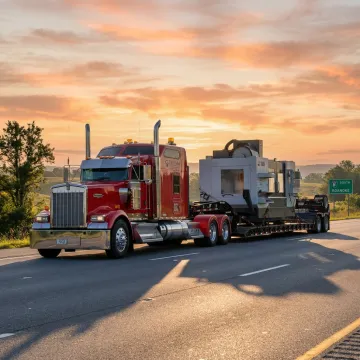
Heavy haul trucking usually refers to freight that exceeds standard legal size or weight limits and requires specialized trailers, permits, routing, and often escort vehicles. Common examples include transformers, industrial machinery, construction equipment, wind components, refinery modules, and data center infrastructure. Little John Transportation Services supports these moves with RGN, lowboy, step-deck, stretch, multi-axle, perimeter, and custom trailer capacity.
How much does heavy haul trucking cost in Virginia?
Pricing is based on freight dimensions, weight, trailer type, route complexity, permits, escorts, timing, crane or rigging coordination, and any special compliance requirements. Virginia moves may also involve bridge reviews, tunnel restrictions, port access, or local routing limitations. A complete quote typically requires accurate load specs, pickup and delivery details, photos or drawings, and requested delivery timing.
Do you handle oversize and overweight permits?
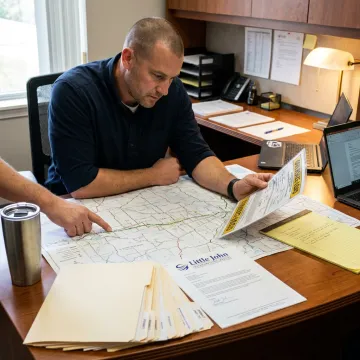
Many heavy haul shipments require state or local oversize and overweight permits, especially when height, width, length, axle weight, or gross vehicle weight exceeds legal limits. Little John Transportation Services manages permitting as part of full-cycle support, including route engineering, documentation, and coordination with escort or pilot car providers when required by the permitted route.
What equipment is used for specialized freight?
Specialized loads may move on flatbeds, step-decks, RGNs, removable goosenecks, lowboys, stretch trailers, multi-axle configurations, Schnabel trailers, dual-lane trailers, perimeter trailers, custom platforms, or double-drops. The right equipment depends on load height, weight distribution, center of gravity, loading method, ground clearance, and delivery-site conditions. Equipment selection is one of the first planning steps.
Can you move oversized freight through Virginia corridors?
Virginia routing for oversize freight may require evaluating interstate corridors, bridges, tunnels, construction zones, curfews, utility clearances, and local road access. Loads near ports, military facilities, industrial plants, or mountain corridors often need added planning. Little John Transportation Services provides route engineering, permitting, escorts, tracking, and a single point of contact to keep each move coordinated.
Can heavy haul shipments include hazmat or government freight?
Yes. The company supports hazardous materials transportation and holds an FMCSA HMSP, a credential held by less than 1% of U.S. hazmat carriers. The network includes Hazmat-endorsed BCOs, TWIC-certified resources, Responsible Care practices, and capabilities for sensitive government and military freight, including AA&E and TPS-restricted shipments when the required approvals apply.
How far in advance should I schedule a heavy haul shipment?
Lead time depends on permit complexity, routing, equipment availability, escort needs, and whether engineering reviews are required. Standard oversize moves can often be planned faster than superloads, which may need multi-agency approvals and detailed route analysis. For urgent components, hot shot and expedited options may be available with direct routing and 24/7 dispatch support.
How are specialized loads tracked and protected in transit?
Shipments are coordinated through real teams, not automated-only workflows. Little John Transportation Services provides a single point of contact, tracking and tracing, dispatch coordination, documentation support, and proactive exception communication. The company reports a 99.9% claim-free delivery rate for heavy-haul loads and emphasizes audit-ready paperwork, carrier vetting, and safety-driven execution from pickup to delivery.