What is international heavy haul transport?
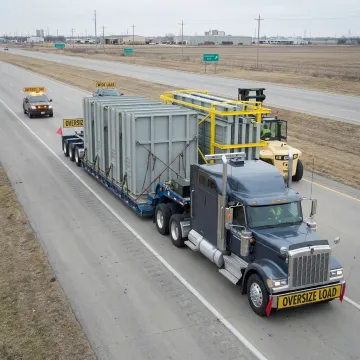
International heavy haul transport moves oversized or overweight cargo across national borders using specialized trailers, engineered routes, permits, escorts, and customs coordination. Typical freight includes industrial machinery, power-generation components, aerospace equipment, mining assets, construction equipment, and data infrastructure. Little John Transportation Services supports cross-border moves across the United States, México, and Canada with specialized capacity and experienced operations teams.
How much does international heavy haul transport cost?
Heavy haul pricing is based on weight, dimensions, route complexity, equipment type, permit requirements, escorts, border crossings, and timing. Superloads, multi-axle trailers, crane support, transloading, or restricted routes can affect cost. A reliable quote should include lane review, trailer selection, permit planning, and any customs or cross-border coordination needed before dispatch.
What types of cargo can you move?
Little John Transportation Services supports oversized machinery, power-generation equipment, aerospace and defense freight, wind-energy components, refinery and plant relocation cargo, mining equipment, construction machinery, and data infrastructure shipments. The network includes flatbeds, step-decks, RGNs, stretch trailers, lowboys, multi-axle equipment, Schnabel trailers, dual-lane trailers, perimeter trailers, and custom platforms for complex freight.
Do oversized international shipments require permits?
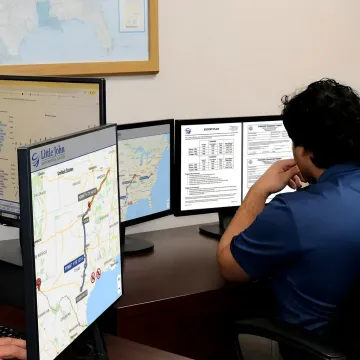
Yes. Oversize and overweight loads usually require permits for every jurisdiction the shipment travels through, and requirements vary by route, axle configuration, dimensions, weight, and commodity. Little John Transportation Services supports permitting, route engineering, escorts, pilot cars, tracking, and documentation, with heavy-haul operations backed by more than 100,000 permits coordinated annually.
Can you handle heavy haul freight into México and Canada?
Yes. Cross-border heavy haul service is available for U.S.–México and U.S.–Canada freight. The company has 25+ years of experience on the U.S.–México corridor, bilingual operations, CTPAT validation, 250+ México interchange agreements, and a 50-acre Laredo facility with cross-dock, trailer capacity, bonded cargo support, and heavy-haul transloading capability.
How do you choose the right trailer for my load?
Heavy haul equipment is selected after reviewing cargo weight, dimensions, center of gravity, loading method, route restrictions, and delivery site requirements. Options may include step-decks, flatbeds, RGNs, lowboys, stretch trailers, multi-axle trailers, dual-lane trailers, perimeter trailers, or custom double-drops. The right trailer helps protect safety, compliance, bridge limits, and cargo stability.
How far in advance should I schedule heavy haul transport?
Heavy haul planning should begin as early as possible, especially for superloads, cross-border shipments, plant relocations, or freight requiring route surveys and multiple permits. Many moves can be coordinated quickly, but complex loads may require added time for engineering, escort scheduling, customs documentation, bridge analysis, and agency approvals across each state, province, or country.
Will I receive shipment tracking and documentation?
Little John Transportation Services provides tracking and tracing as part of full-cycle heavy-haul support. Loads are planned, dispatched, and monitored by real operations teams, with a single point of contact responsible for communication. Cross-border and specialized moves can also include audit-ready paperwork, chain-of-custody documentation, customs coordination, and compliance support from pickup through delivery.