How are explosives transported?
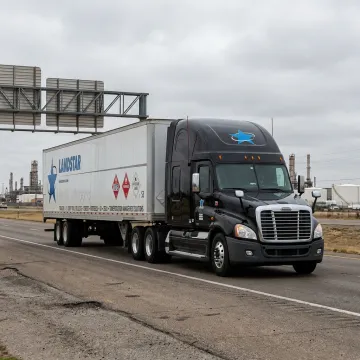
Explosives are transported under strict federal hazardous materials rules using properly qualified carriers, trained drivers, compliant equipment, secure documentation, and controlled communication. Shipments are classified, packaged, marked, documented, and matched to carriers authorized for the commodity. Little John Transportation Services supports AA&E and TPS-restricted freight with FMCSA HMSP credentials, Hazmat-certified BCOs, and audit-ready chain-of-custody practices.
Who regulates the transport of explosives?
Explosives transportation is primarily regulated by the U.S. Department of Transportation through PHMSA hazardous materials regulations and FMCSA motor carrier safety requirements. Depending on the commodity and shipper, ATF, Department of Defense, Transportation Protective Service requirements, and cross-border authorities may also apply. Licensed carriers must maintain proper permits, driver qualifications, insurance, documentation, and safety programs.
What licenses are needed to transport explosives?
Little John Transportation Services holds an FMCSA HMSP, is AA&E Certified, and is TPS Approved for Transportation Protective Service freight. The company’s network includes Hazmat-endorsed BCOs, TWIC-certified capacity, and audited carrier qualification practices. These credentials help support explosives, ammunition, defense, and other sensitive hazmat shipments that require disciplined planning, qualified operators, and documented compliance.
Can you handle AA&E and military explosives freight?
Yes. Little John Transportation Services supports AA&E and TPS-restricted government and military freight, including sensitive commodities that require additional carrier approval and disciplined documentation. The company has 35+ years of experience with AA&E-related transportation, and its training practices exceed DoD frequency requirements. Each qualifying load is reviewed for carrier credentials, documentation, tracking, and operational fit.
How much does explosives transport cost?
Explosives transport costs depend on the commodity classification, origin and destination, required carrier credentials, equipment type, security requirements, urgency, permits, and cross-border needs. Because regulated freight carries higher compliance obligations than standard truckload cargo, pricing is developed after reviewing shipment details. Little John provides customized quotes through experienced account managers rather than automated, one-size-fits-all pricing.
Is expedited explosives transport available?
For time-sensitive regulated freight, Little John Transportation Services offers expedited options with 24/7 dispatch and response times under 60 minutes when capacity is available. Expedited service can include team-driver capacity, direct routing, sole-use equipment, and real-time tracking. Every urgent explosives or AA&E shipment still requires proper classification, documentation, and qualified carrier matching before movement.
Do you offer cross-border explosives transportation?
Little John Transportation Services supports regulated freight across the United States, México, and Canada through a North American network. Cross-border capabilities include bilingual operations, CTPAT-validated processes, customs and border coordination, bonded cargo handling, and key operations in Laredo, Monterrey, and Guadalajara. Explosives and hazmat cross-border moves require advance review of commodity, paperwork, and jurisdictional requirements.
What documentation is required for explosives shipments?
Required paperwork can include hazardous materials shipping papers, emergency response information, carrier credentials, permits, chain-of-custody records, security documentation, and any shipper- or agency-specific forms. For government or military freight, TPS and AA&E documentation may also apply. Little John emphasizes audit-ready paperwork so shippers have a clear record from planning through delivery.